
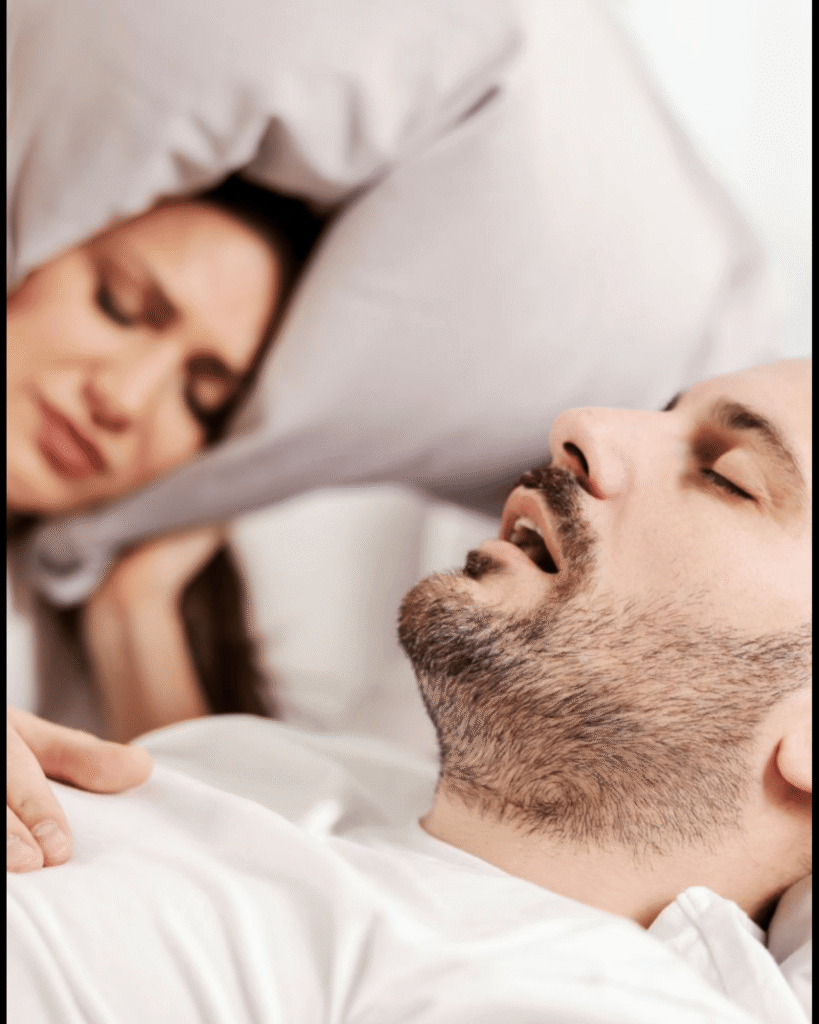
When most people think about sleep apnea, they picture loud snoring or a CPAP machine.
What many do not realize is that obstructive sleep apnea (OSA) is a serious medical condition that affects millions.
More Than Just Snoring
Obstructive sleep apnea occurs when the airway becomes partially or completely blocked during sleep, causing repeated interruptions in breathing.
Common signs and symptoms include:
- Loud, chronic snoring
- Morning headaches
- Dry mouth upon waking
- Poor-quality sleep
Untreated sleep apnea has been linked to high blood pressure, heart disease, stroke, type
2 diabetes, memory impairment, and an increased risk of accidents due to fatigue.
The Traditional Treatment: CPAP
Continuous Positive Airway Pressure (CPAP) therapy remains the gold standard treatment for moderate to severe sleep apnea. It uses a mask to keep the airway open.
A Dental Solution: Oral Appliance Therapy
For patients with mild to moderate sleep apnea, or those who cannot tolerate CPAP, oral appliance therapy offers a comfortable alternative.
Why Patients Like Oral Appliances
Patients often appreciate that oral appliances are:
- Small and discreet
- Easy to travel with
- Easy to maintain
The Importance of Proper Evaluation
Not every patient is a candidate for oral appliance therapy. Proper diagnosis requires a sleep study and collaboration between physicians and dentists trained in dental sleep medicine.
A Whole-Body Health Issue
Sleep apnea a ects cardiovascular health, brain function, metabolism, and overall quality of life. For many patients, a custom oral appliance can provide a practical and effective solution.
Sometimes the most powerful health solutions are the ones you sleep through.