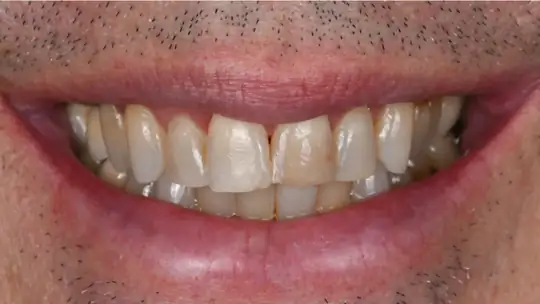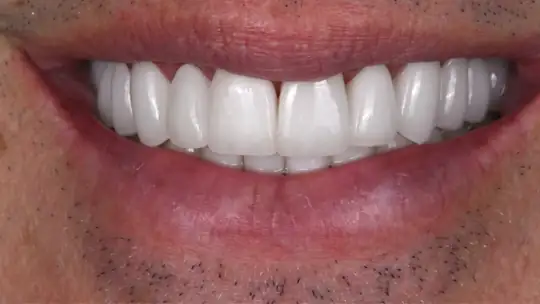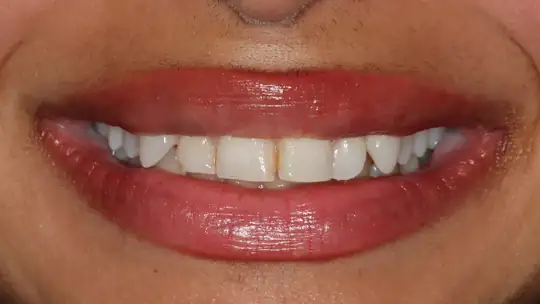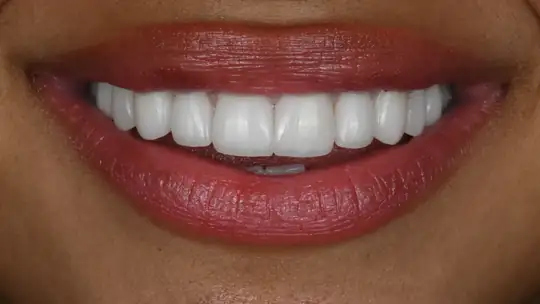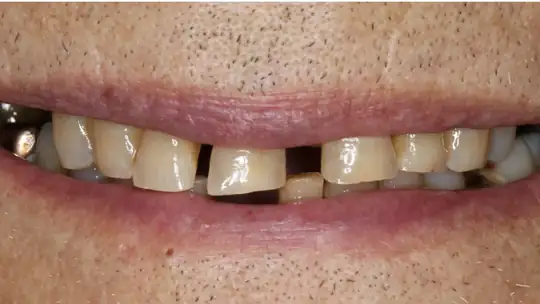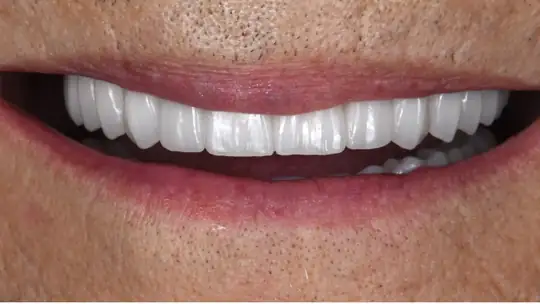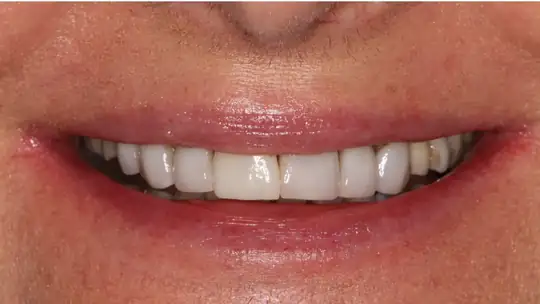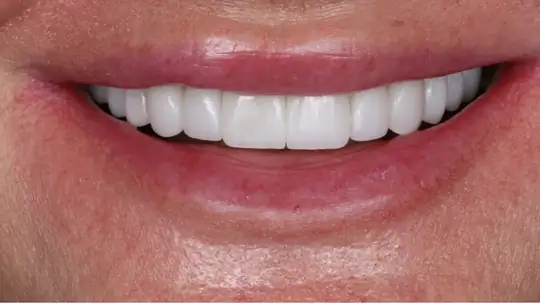

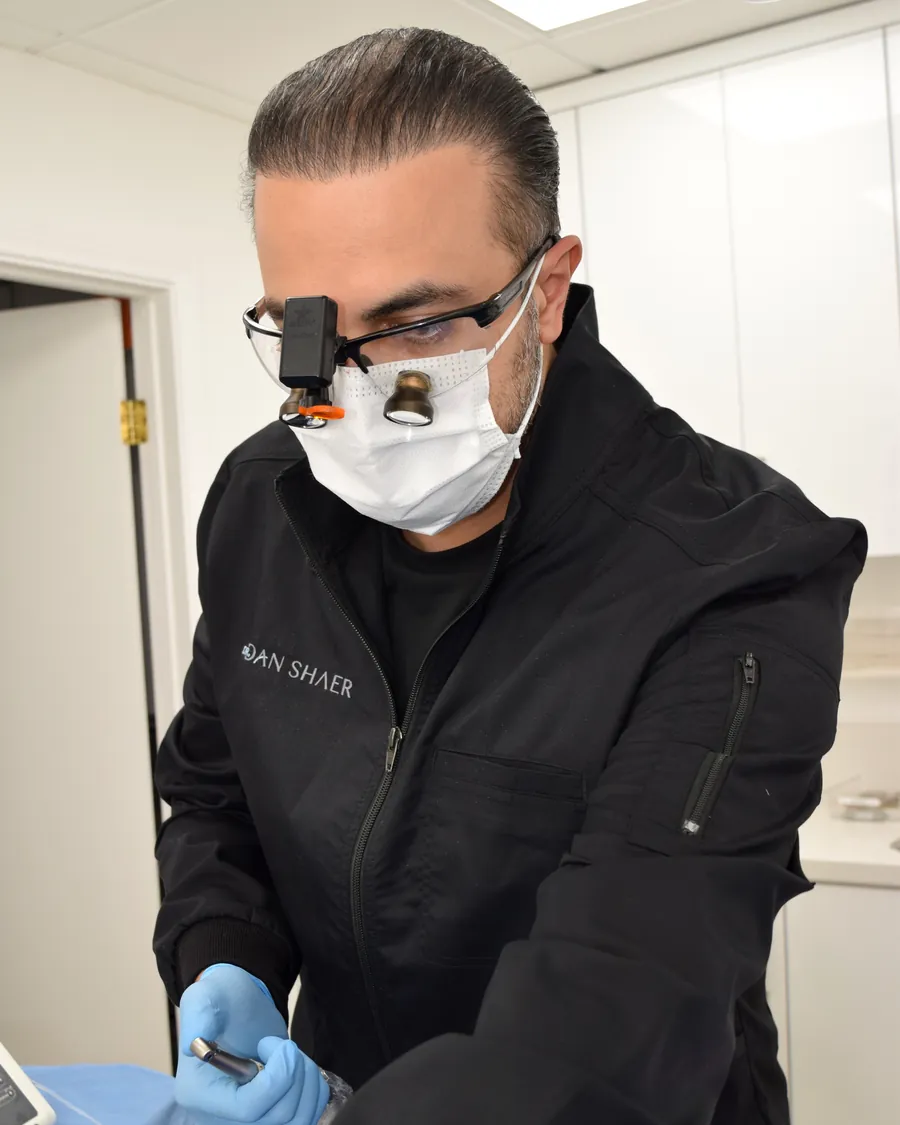
Invisalign straightens teeth with a series of clear, removable aligners instead of metal brackets and wires. Each aligner moves the teeth a small, planned amount, and because the aligners are nearly invisible, most people around you will not know you are in treatment. It is one of the main reasons more adults are choosing to straighten their teeth.
Dr. Dan Shaer plans clear aligner treatment digitally as part of your whole smile, not only to straighten teeth but to balance the bite. For many patients, aligners are also the conservative first step before veneers or bonding, because well aligned teeth need less preparation.
How Invisalign works
Treatment starts with a digital scan of your teeth instead of messy impressions. From the scan, a 3D plan maps how each tooth will move from its current position to its final one, and you can see a simulation of the movement before you begin.
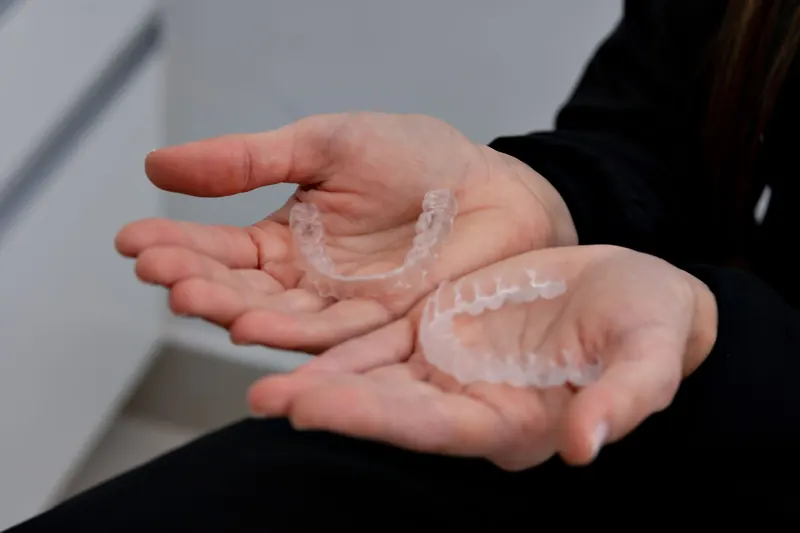
A series of custom aligners is made from that plan. You wear each set for about one to two weeks before moving to the next, and the teeth shift gradually with every change. Aligners are worn most of the day and night, typically around twenty to twenty two hours, and removed only to eat, drink anything other than water, and brush.
What clear aligners can correct
Clear aligners can treat many of the same problems as braces, particularly mild to moderate cases. The American Dental Association explains that orthodontic treatment improves the alignment of teeth and the bite, which also makes teeth easier to keep clean.
- Crowded teeth
- Gaps and spacing
- Teeth that have shifted after earlier braces
- Overbite, underbite and crossbite, depending on severity
- Teeth that need aligning before veneers, bonding or implants

Who is a good candidate for Invisalign?
You may be a good candidate if any of these sound familiar:
- Adults and older teens with mild to moderate crowding or spacing
- Teeth that shifted after braces when retainers were not worn
- Patients who want straighter teeth without visible braces
- Bite problems suitable for aligners
- Patients planning veneers or bonding who need alignment first
- Anyone willing to wear aligners most of the day
The only way to know for sure is an examination with digital scans. Dr. Dan tells you honestly whether this is the right option for you, and what the alternatives are.
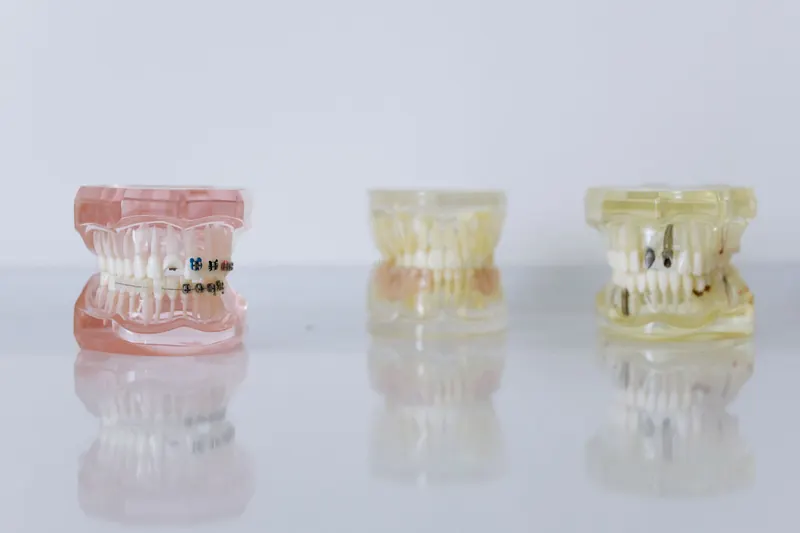
Invisalign vs braces
| Invisalign clear aligners | Traditional braces | |
|---|---|---|
| Appearance | Nearly invisible | Visible brackets and wires |
| Removable | Yes, for eating and brushing | No |
| Eating | No food restrictions while aligners are out | Some foods must be avoided |
| Cleaning | Brush and floss normally | Harder around brackets |
| Discipline required | Must be worn most of the day | Works full time automatically |
| Best for | Mild to moderate cases and adults | Complex movements |
Invisalign treatment, step by step
Every treatment at the studio follows the same mapped, guided process, from your first consultation to the final reveal.
- 01
Consultation and digital scanning
Dr. Dan listens to what you want to change, examines your teeth and gums, and takes digital scans, photos and video of your smile to confirm whether clear aligners is the right choice for you.
- 02
Facial analysis and 3D mapping
Your face, lips and bite are measured so the plan is built around your proportions, not a template.
- 03
Your smile blueprint
The treatment is designed digitally. You review the blueprint and ask for changes before any treatment begins.
- 04
Mockup and preview
A mockup lets you preview the design before anything is final, so you know what you are agreeing to.
- 05
Treatment
Your custom aligners are made from the approved digital plan. You change to a new set about every one to two weeks, with progress checks along the way.
- 06
Final reveal and after care
When the teeth reach their planned position, the result is checked for fit, bite and comfort, and you receive retainers and a plan to keep your smile in place.
Living with clear aligners
Clear aligners are designed to fit into a busy schedule, but they work only when they are worn. A few simple habits make treatment smoother and keep your teeth healthy while the aligners move them.
- Wear your aligners most of the day and night, taking them out only to eat, drink anything other than water and brush
- Brush and floss before putting aligners back in, so food is not trapped against the teeth
- Rinse and gently clean your aligners every day, and keep them in their case when they are out
- Switch to each new set on schedule, and keep your progress appointments
- Avoid hot drinks while wearing aligners, since heat can warp the plastic
Speaking with aligners usually feels normal within a day or two, and they are easy to remove for important meetings or meals out.
How long does Invisalign take?
Treatment length depends on how far the teeth need to move. Minor corrections can be relatively quick, while more complex cases take longer. Wearing the aligners as directed is the single biggest factor in staying on schedule. Your digital plan shows the expected number of aligners before you start.
Expect some pressure for a day or two when you switch to a new set. That is a sign the aligners are working and it usually fades quickly.
Keeping your result: retainers
Teeth naturally tend to drift back after any orthodontic treatment, and teeth can also shift with age. A custom retainer worn as directed holds your result. Skipping the retainer is one of the most common reasons teeth move again after earlier treatment.
How much does Invisalign cost in Beverly Hills?
The cost of Invisalign depends on how complex the alignment is, how long treatment takes and how much monitoring it needs. Here is the general price range:
| Treatment component | Price range |
|---|---|
| Invisalign consultation | $150 to $300 |
| Mild Invisalign case | $3,000 to $4,500 |
| Moderate Invisalign case | $4,500 to $6,000 |
| Complex Invisalign case | $6,000 to $8,000 |
| Retainers after treatment | $300 to $600 |
A clinical evaluation and digital scan confirm the exact plan, timeline and final cost. What shapes your fee:
- How complex your case is and how long treatment takes
- Whether cosmetic treatment such as whitening or veneers follows
- Retainers after treatment
Your exact fee is confirmed in a written plan after your consultation, before any treatment begins.
Payment options include cash, check or card, flexible spending accounts and select insurance coverage, plus third party financing through Cherry, Sunbit and CareCredit, which offer low monthly payment plans. For eligible patients there is a no interest option if fees are paid in full within a set number of months.
The most expensive dental work is often the work that has to be redone. Careful planning, quality materials and precise execution are what make a result last.
Why patients choose Dr. Dan Shaer for Invisalign
Dr. Dan Shaer is a Beverly Hills trained cosmetic and restorative dentist who plans every case the way an architect plans a building: symmetry, proportion, alignment and balance are mapped first, and the treatment follows the blueprint. His philosophy is simple. Great dentistry should be natural, minimally invasive and tailored to the individual, so your smile matches your face, your personality and your identity.
- Digital Smile Design Certification, so every plan is previewed before treatment
- Implantology Fellowship and Biomimetic Dentistry Certification
- European Minimally Invasive Dentistry Program and U.S. and European training
- Beverly Hills Advanced Cosmetic Dentistry Training
- One plan for function and aesthetics, reviewed and approved by you before anything begins
See real results in the before and after gallery, or book a consultation at the studio on Wilshire Boulevard.