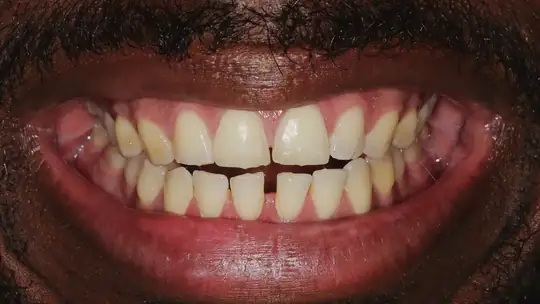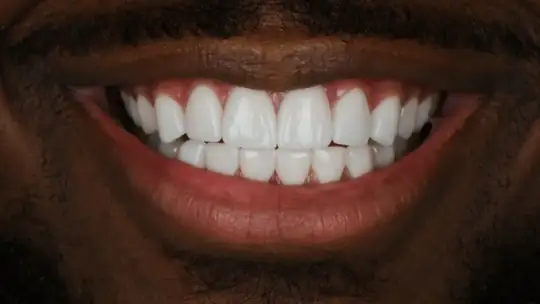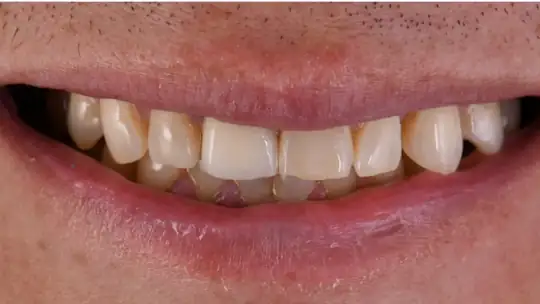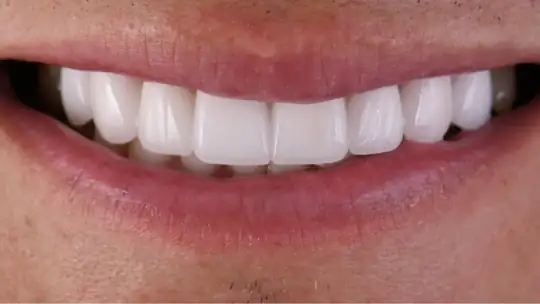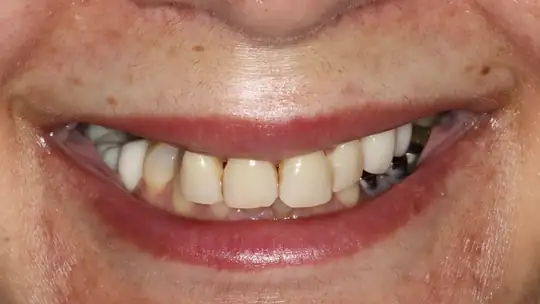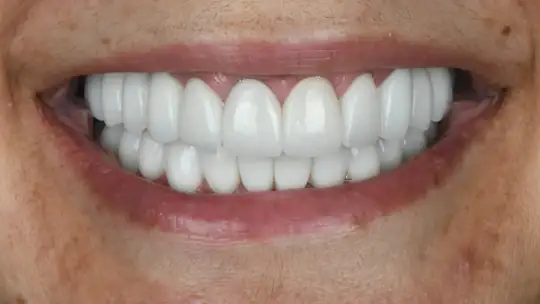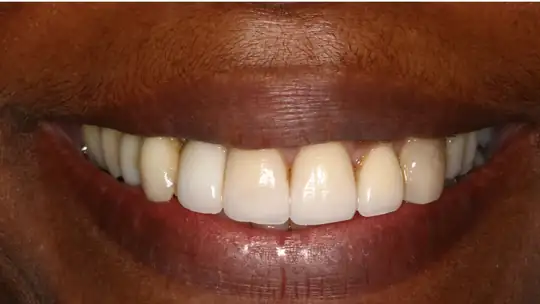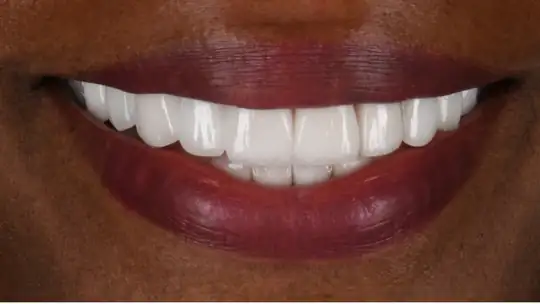
Restorative dentistry repairs teeth that are decayed, cracked, worn or broken, and replaces teeth that are missing, so you can chew comfortably and smile with confidence. The best restorations do two things at once: they bring back the strength and function of the tooth, and they blend in so well that no one can tell the tooth was ever treated.
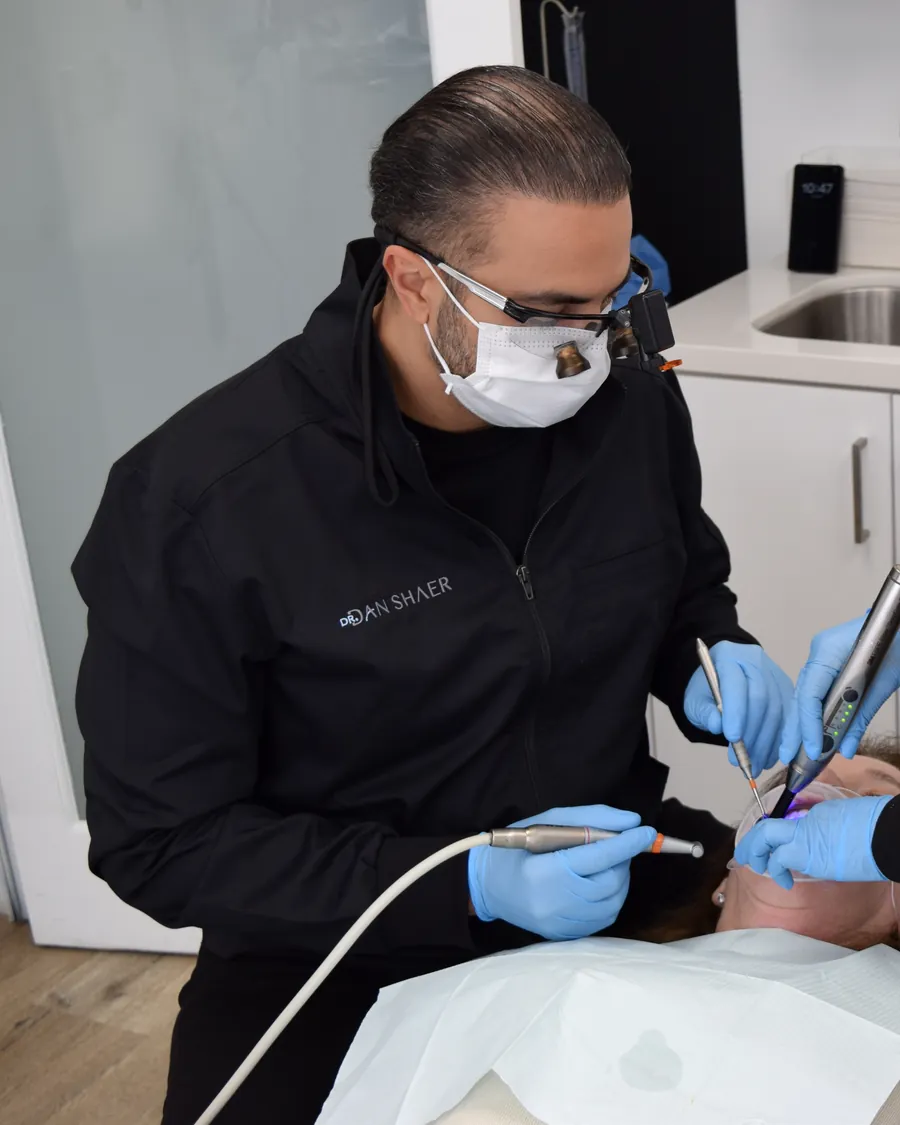
Dr. Dan Shaer, who holds a Biomimetic Dentistry Certification, rebuilds worn or damaged teeth conservatively, keeping as much natural tooth as possible. Restorations are designed as part of your smile, so they match the shape and color of the teeth around them.
What is biomimetic restorative dentistry?
Biomimetic means imitating nature. In dentistry it describes restorations that mimic the way a natural tooth is built and the way it behaves under the forces of chewing. Instead of removing large amounts of healthy tooth to fit a traditional crown, a biomimetic approach removes only what is damaged and bonds the restoration to the remaining tooth so the two work together.
Keeping more natural tooth matters. Every time a tooth is drilled, it loses structure it can never regrow. A conservative restoration preserves that structure, which can mean a stronger tooth and more options in the future.
Restorative treatments explained
Tooth colored fillings
Composite resin bonded to the tooth to repair small to moderate decay, with no metal and no visible dark edges.
Inlays and onlays
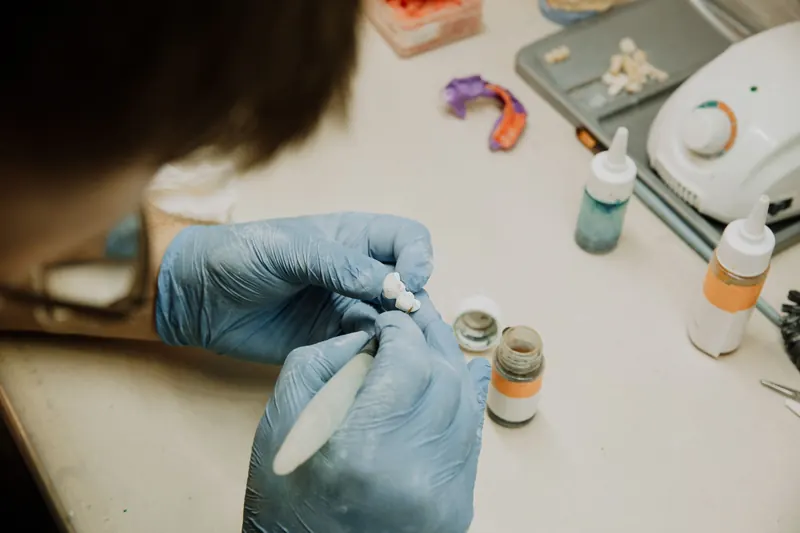
Custom restorations that repair larger damage while preserving more of the tooth than a full crown. An onlay covers one or more chewing cusps and is often the conservative alternative to a crown.
Crowns
A crown covers the whole visible tooth when it is too weakened for a smaller restoration, for example after a large fracture or root canal treatment. The American Dental Association explains that crowns restore a tooth's shape, size and strength.
Replacing missing teeth
When a tooth is missing, a dental implant replaces it without reshaping the neighboring teeth. For many missing teeth, All-On-4 or full mouth rehabilitation may be the better plan.
Who needs restorative dentistry?
You may be a good candidate if any of these sound familiar:
- Teeth with decay, old leaking fillings or recurrent cavities
- Chipped, cracked or broken teeth
- Teeth worn down by grinding or acid erosion
- Teeth weakened after root canal treatment
- Missing teeth that need replacing
- Patients who want metal fillings replaced with tooth colored restorations
The only way to know for sure is an examination with digital scans. Dr. Dan tells you honestly whether this is the right option for you, and what the alternatives are.
Filling, onlay or crown?
The guiding principle is to choose the smallest restoration that will reliably protect the tooth.
| Filling | Onlay | Crown | |
|---|---|---|---|
| Best for | Small to moderate decay | Larger damage, cusps involved | Severely weakened or broken teeth |
| Tooth removed | Least | Moderate | Most |
| Covers | Part of the tooth | Chewing surface and cusps | The entire visible tooth |
| Visits | Usually one | Usually two | Usually two |
Your restorative treatment, step by step
Every treatment at the studio follows the same mapped, guided process, from your first consultation to the final reveal.
- 01
Consultation and digital scanning
Dr. Dan listens to what you want to change, examines your teeth and gums, and takes digital scans, photos and video of your smile to confirm whether restorative treatment is the right choice for you.
- 02
Facial analysis and 3D mapping
Your face, lips and bite are measured so the plan is built around your proportions, not a template.
- 03
Your smile blueprint
The treatment is designed digitally. You review the blueprint and ask for changes before any treatment begins.
- 04
Mockup and preview
A mockup lets you preview the design before anything is final, so you know what you are agreeing to.
- 05
Treatment
Damaged tooth structure is removed conservatively and the restoration is bonded in place, designed to match the shape and color of your natural teeth.
- 06
Final reveal and after care
Your result is checked for fit, bite and comfort, and you leave with a care plan to keep it looking its best.
Signs a tooth needs attention
Small problems are easier and more conservative to fix than large ones. See a dentist if you notice:
- Sensitivity to hot, cold or sweet that lingers
- Pain when biting or chewing
- A chipped, cracked or broken tooth
- Old fillings that are dark, worn or leaking
- Teeth that look shorter or flatter from grinding
- Food catching in the same place every time you eat
Protecting your restorations
Restorations last longest in a healthy mouth. Brush twice daily, clean between your teeth every day, and keep regular checkups so small issues are caught early. If you grind or clench, a custom night guard protects both your restorations and your natural teeth.
How much does restorative dentistry cost in Beverly Hills?
The cost of restorative dentistry depends on what your smile actually needs, so there is no honest one size price. Your fee is set after the consultation, once Dr. Dan has examined your teeth, reviewed your scans and designed your plan, and you receive a clear written plan before any treatment begins.
- Which restoration each tooth needs (filling, onlay or crown)
- How many teeth are treated
- Restoration materials
- Whether gum treatment or implants are part of the plan
Payment options include cash, check or card, flexible spending accounts and select insurance coverage, plus third party financing through Cherry, Sunbit and CareCredit, which offer low monthly payment plans. For eligible patients there is a no interest option if fees are paid in full within a set number of months.
The most expensive dental work is often the work that has to be redone. Careful planning, quality materials and precise execution are what make a result last.
Why patients choose Dr. Dan Shaer for restorative dentistry
Dr. Dan Shaer is a Beverly Hills trained cosmetic and restorative dentist who plans every case the way an architect plans a building: symmetry, proportion, alignment and balance are mapped first, and the treatment follows the blueprint. His philosophy is simple. Great dentistry should be natural, minimally invasive and tailored to the individual, so your smile matches your face, your personality and your identity.
- Digital Smile Design Certification, so every plan is previewed before treatment
- Implantology Fellowship and Biomimetic Dentistry Certification
- European Minimally Invasive Dentistry Program and U.S. and European training
- Beverly Hills Advanced Cosmetic Dentistry Training
- One plan for function and aesthetics, reviewed and approved by you before anything begins
See real results in the before and after gallery, or book a consultation at the studio on Wilshire Boulevard.